

Introduction
In the realm of electrical engineering and power distribution, the choice of materials for power cables is crucial to ensuring efficient and safe transmission of electricity. One material that has gained prominence in this field is tinned copper. Tinned copper power cables offer a range of benefits that make them a preferred choice for various applications across different industries. In this comprehensive guide, we will delve into the world of tinned copper power cables, exploring their properties, advantages, applications, and considerations for installation.
Properties of Tinned Copper Power Cables
Tinned copper power cables are constructed using copper conductors that have been coated with a thin layer of tin. This tinning process involves applying a layer of molten tin onto the copper surface, creating a protective barrier that offers several advantages over bare copper cables.
1. Corrosion Resistance: One of the primary benefits of tinned copper power cables is their superior resistance to corrosion. The tin coating acts as a barrier that protects the underlying copper from environmental factors such as moisture, chemicals, and oxidation. This corrosion resistance ensures the long-term reliability and performance of tinned copper cables in various operating conditions.
2. Solderability: The tin coating on tinned copper cables enhances their solderability, making them easier to terminate and connect during installation. The solder adheres well to the tin surface, creating strong and durable connections that contribute to the overall efficiency and integrity of the electrical system.
3. Flexibility: Tinned copper power cables exhibit excellent flexibility and malleability, allowing for easy bending and routing during installation. Control cable is especially beneficial in applications where tight spaces or complex cable runs are involved, enabling smooth and hassle-free installation processes.
4. Thermal Stability: The tinning process imparts thermal stability to copper conductors, improving their resistance to heat and high temperatures. This thermal stability allows tinned copper power cables to maintain their electrical properties and performance even under elevated operating conditions, making them suitable for a wide range of industrial and commercial applications.
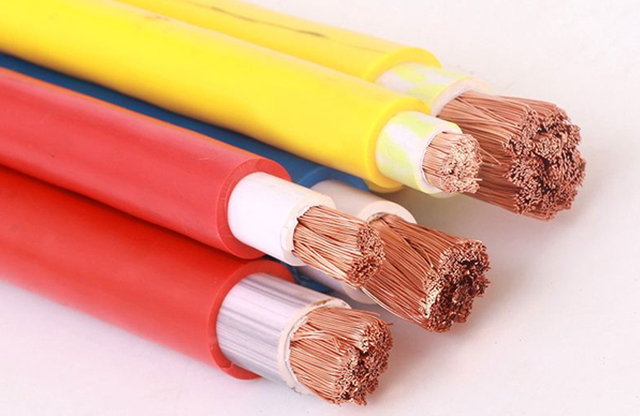
5. Electrical Conductivity: Copper is renowned for its high electrical conductivity, and tinned copper power cables inherit this property from the copper conductors at their core. The tin coating does not significantly impact the electrical conductivity of the cables, ensuring efficient power transmission and minimal power loss across the system.
Advantages of Tinned Copper Power Cables
Tinned copper power cables offer a host of advantages that make them an attractive choice for various applications in the electrical and power distribution sectors. Some key advantages of tinned copper cables include:
1. Enhanced Durability: The corrosion resistance provided by the tin coating enhances the durability and longevity of tinned copper power cables, ensuring reliable performance over an extended service life. This durability makes tinned copper cables a cost-effective investment for long-term applications.
2. Improved Solderability: The solderable nature of tinned copper cables simplifies the installation process and facilitates secure connections, reducing the risk of loose or faulty terminations. This improved solderability contributes to the overall safety and efficiency of electrical systems utilizing tinned copper power cables.
3. Resistance to Environmental Factors: Tinned copper power cables are resistant to a wide range of environmental factors, including moisture, chemicals, and temperature fluctuations. This resistance ensures that the cables remain operational and reliable in harsh conditions, making them suitable for outdoor and industrial applications.
4. Reduced Maintenance Requirements: The robust construction of tinned copper power cables minimizes the need for frequent maintenance and inspections, saving time and resources in the long run. The corrosion-resistant properties of tinned copper cables contribute to their low maintenance requirements, making them a hassle-free choice for various installations.
5. Compatibility with Various Termination Methods: Tinned copper power cables are compatible with a variety of termination methods, including soldering, crimping, and compression connections. This versatility allows for greater flexibility in installation processes and ensures that tinned copper cables can be easily integrated into different electrical systems.
Applications of Tinned Copper Power Cables
Tinned copper power cables find widespread applications across various industries and sectors, owing to their unique properties and advantages. Some common applications of tinned copper cables include:
1. Marine and Offshore Installations: The corrosion resistance of tinned copper power cables makes them ideal for use in marine and offshore installations where exposure to saltwater and harsh environmental conditions is a concern. Tinned copper cables are commonly employed in shipbuilding, offshore platforms, and other marine applications where reliability and durability are paramount.
2. Industrial Machinery and Equipment: Tinned copper power cables are well-suited for use in industrial machinery and equipment that operate in demanding environments with high temperatures, vibration, and chemical exposure. These cables provide reliable power transmission and ensure the safe and efficient operation of industrial processes.
3. Renewable Energy Systems: Tinned copper power cables are increasingly being used in renewable energy systems such as solar photovoltaic (PV) installations and wind farms. The corrosion resistance and durability of tinned copper cables make them a reliable choice for connecting solar panels, inverters, and other components in renewable energy systems.
4. Automotive and Transportation: Tinned copper power cables are utilized in automotive and transportation applications where reliable power distribution is essential for vehicle performance and safety. These cables are commonly used in automotive wiring harnesses, battery connections, and other electrical systems in vehicles, ensuring dependable power supply and connectivity.
5. Data Centers and Telecommunications: Tinned copper power cables are employed in data centers, telecommunications networks, and IT infrastructure to ensure efficient power distribution and connectivity. The durability and reliability of tinned copper cables make them a preferred choice for critical applications where uninterrupted power supply is crucial.
Considerations for Installation of Tinned Copper Power Cables
When installing tinned copper power cables, there are several key considerations that should be taken into account to ensure optimal performance and safety. Some important factors to consider include:
1. Cable Sizing and Ampacity: Proper sizing of tinned copper power cables is essential to ensure that they can safely carry the expected load without overheating. It is important to select cables with the appropriate ampacity rating based on the current requirements of the electrical system to prevent overheating and potential damage.
2. Termination Methods: Consider the most suitable termination method for tinned copper power cables based on the specific requirements of the installation. Whether soldering, crimping, or compression connections are used, ensure that the terminations are secure and reliable to maintain the integrity of the electrical system.
3. Environmental Conditions: Evaluate the environmental conditions in which the tinned copper power cables will be installed to ensure that they are suitable for the intended application. Consider factors such as temperature, moisture, chemical exposure, and mechanical stress to select cables that can withstand these conditions without compromising performance.
4. Cable Routing and Protection: Proper cable routing and protection are essential to prevent damage to tinned copper power cables during installation and operation. Avoid sharp bends, excessive tension, and exposure to potential hazards that could compromise the integrity of the cables and lead to performance issues.
5. Compliance with Standards and Regulations: Ensure that the installation of tinned copper power cables complies with relevant industry standards, codes, and regulations to guarantee the safety and reliability of the electrical system. Adherence to standards such as the National Electrical Code (NEC) and local regulations is essential to prevent hazards and ensure compliance with best practices.
Conclusion
Tinned copper power cables offer a range of benefits that make them a versatile and reliable choice for various applications in the electrical and power distribution sectors. With their corrosion resistance, enhanced durability, and superior performance characteristics, tinned copper cables have become a preferred option for industries ranging from marine and offshore installations to renewable energy systems and automotive applications. By understanding the properties, advantages, applications, and considerations for installation of tinned copper power cables, electrical engineers and installers can make informed decisions when selecting and deploying these cables in diverse settings. The versatility, durability, and reliability of tinned copper power cables make them a valuable asset in modern electrical systems, contributing to efficient power transmission and safe operations across a wide range of industries.